
Edwin Buggage
Editor-in-Chief New Orleans Data News Weekly
June is Black Music Month, a time to celebrate the immeasurable contributions African Americans have made to the cultural, artistic, and musical identity of the United States. From jazz and blues to gospel, rhythm and blues, hip-hop, and soul, Black Music has shaped the soundtrack of America and influenced generations around the world.
At the center of that story is New Orleans, a city whose unique blend of African, Caribbean, European, and American influences created some of the most important musical traditions in history. Known as the birthplace of jazz, New Orleans has given the world artists, sounds, and styles that continue to define American culture.
New Orleans: A Legacy of Musical Innovation
Few artists embody New Orleans’ Musical Legacy more than Louis Armstrong, whose trumpet playing and unmistakable voice helped make jazz a Global Art Form. Other legendary artists include Mahalia Jackson, known as the Queen of Gospel, and Professor Longhair, whose distinctive piano style became a cornerstone of New Orleans rhythm and blues.
The city has also produced musical giants such as Fats Domino, Allen Toussaint, Irma Thomas, and The Neville Brothers, all of whom helped shape American Music while carrying the Spirit of New Orleans to audiences around the world.
The Music and People: Creating the Sound of a City
New Orleans is more than the birthplace of jazz. It is home to brass band traditions, second-line culture, funk, gospel, rhythm and blues, and a vibrant live music scene that continues to inspire musicians across generations.
Music is woven into the fabric of everyday life in New Orleans. From neighborhood parades and church services to festivals and street performances, music serves as a powerful force that brings people together and preserves cultural traditions.
Contemporary artists such as Tarriona “Tank” Ball, Troy “Trombone Shorty” Andrews, Kermit Ruffins, Rebirth, the Soul Rebels, the Ceasar Brothers, and many others continue to build on that legacy, introducing New Orleans Music to new audiences while honoring the city’s rich musical heritage.
Hip-Hop, Bounce, and a New Generation of Influence
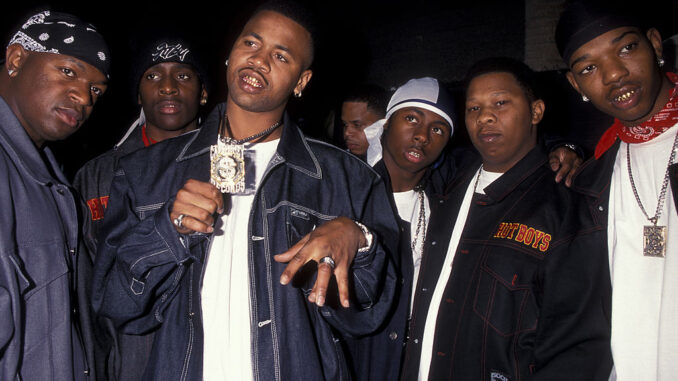
New Orleans has also played a major role in shaping hip-hop culture. The city emerged as a national force in the 1990s through the success of Cash Money Records and No Limit Records, two labels that helped redefine Southern rap and create opportunities for countless artists.
Founded by Master P, No Limit Records became a cultural phenomenon, demonstrating that artists could build successful businesses while maintaining creative control. Cash Money Records, founded by Ronald “Slim” Williams and Bryan “Birdman” Williams, introduced the world to stars such as Juvenile, B.G., Mannie Fresh, and Lil Wayne, whose influence on modern hip-hop continues to be felt around the globe.
At the same time, New Orleans gave rise to bounce music, a high-energy genre known for its infectious beats, call-and-response style, and deep connection to local culture. Artists and pioneers such as DJ Jubilee, Partners-N-Crime, Cheeky Black, Fifth Ward Weebie, and Ms. Tee helped popularize the sound and dance culture that became synonymous with the city.
Today, bounce remains a vital part of New Orleans’ musical identity, reflecting the creativity, resilience, and joy of its people. Together, New Orleans hip-hop and bounce demonstrate how Black music from the Crescent City continues to evolve while influencing music worldwide.
A Cultural Treasure
Black Music remains one of America’s greatest cultural exports. It has influenced fashion, language, dance, film, and social movements while bringing people together across racial, cultural, and geographic lines.
From the Jazz Halls of New Orleans to gospel choirs, from rhythm-and-blues stages to hip-hop arenas, Black Music has consistently pushed artistic boundaries and expanded the possibilities of American Culture.
Recommended For You.

Be the first to comment