
Gauff, who has become a global name in professional tennis, chose to shine a spotlight on Joe W. Brown Park’s neglected tennis courts, which she personally helped fund and spearheaded the renovation of. According to local observers, the courts had fallen into disrepair, limiting safe spaces for local youth to train, play, or simply recreate.
From Pro Courts to Local Courts
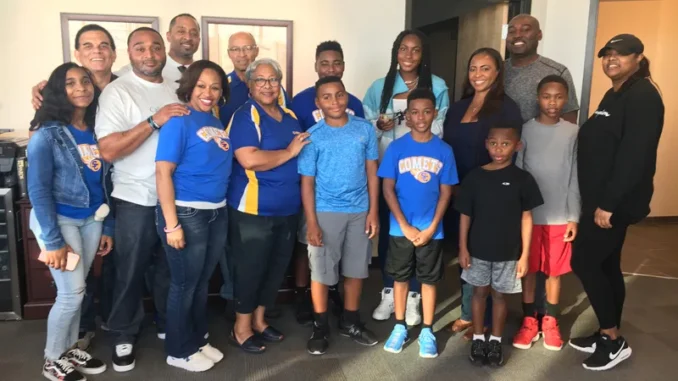
On-site at Joe W. Brown Park, Gauff mingled with local teens, community leaders, and coaches, encouraging youth to take advantage of the renewed space. Her presence was not ceremonial alone: she picked up a racquet, served a few balls, and spoke about how sport had helped shape her life and how she hopes this facility can do the same for New Orleans East.
Why It Matters Locally
Joe W. Brown Park is situated in a part of the city long affected by under-investment, storm damage, and socio-economic challenges. Revitalizing its tennis infrastructure is more than about courts; it’s about creating safe, affirming public space where young people of color can build confidence, resilience, and opportunity.
Gauff’s project aligns with broader conversations about community investment and equity. For many families in the neighborhood, a functioning public sports facility is not just a welcome amenity; it is a tangible resource for hope, recreation, mentorship, and potential pathways out of adverse circumstances.
The Bigger Picture: Sports, Equity & Representation
By turning her global platform toward local impact, Gauff amplifies two key themes: first, the importance of athletic and community infrastructure in historically marginalized communities; and second, the power of representation, young Black girls and boys in New Orleans East saw in Gauff a living example of what is possible, rooted in their own cultural identity and place.
Community leaders present at the event noted how the courts will now be used for youth clinics, after-school programming, and partnerships with local organizations. One local coach told the press that having Gauff’s name attached to the project brings “credibility, visibility, and investment” that will help sustain the facility’s use for years to come.
What’s Next?
Gauff indicated that this is just the beginning; the intention is to keep programming active, involve local school systems, and ensure that the courts are accessible and welcoming to all children in the neighborhood, not just competitive players. She also expressed hope that private and public partnerships will follow to improve other recreational assets in New Orleans East.
For the community, Monday’s moment was more than a photo-op, it was a declaration: that talent born on global stages can and should return home, that sport can be a vehicle for social justice, and that public parks are fertile grounds for the dreams of tomorrow.
In the words of Gauff herself as she addressed the gathered young athletes:
“This space is for you. Use it, build on it, and show the world what New Orleans East can do.”
Recommended For You.


Be the first to comment