
Edwin Buggage
Editor-in-Chief New Orleans Data News Weekly
Festival Season and the Global Spotlight
As New Orleans enters festival season, it becomes even more evident that Black Culture is not simply a defining feature of the city’s identity—it is its heartbeat and one of its most powerful economic engines. Each year, visitors from around the globe travel to New Orleans to experience the city’s Rich Cultural Heritage. From music and cuisine to festivals and neighborhood traditions, the cultural contributions of African Americans are deeply woven into the city’s economic fabric, generating millions of dollars annually and sustaining entire industries.
Cultural Legacy as Economic Infrastructure
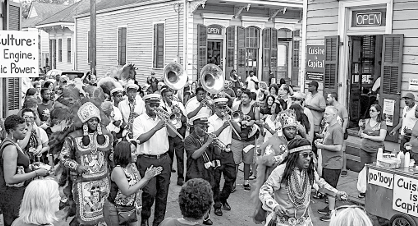
At the heart of this Cultural Economy is a Legacy rooted in resilience, creativity, and innovation. The Sounds of Jazz, born in neighborhoods like Tremé, continue to attract visitors from around the world. Second lines, brass bands, Mardi Gras Indians, and Social Aid and Pleasure Clubs are not only Cultural Expressions—they are economic drivers that fuel tourism, hospitality, and small business development.
These traditions transform everyday spaces into living Stages of Culture, creating a dynamic environment where history and commerce intersect. Culture in New Orleans is not static—it is lived, performed, and continuously generating value.
Festivals Fueling the Economy
“Major Cultural Events such as Mardi Gras and the Essence Festival highlight the powerful connection between culture and commerce. While Mardi Gras generates hundreds of millions in revenue, much of its vibrancy stems from Black Cultural Traditions that shape parades, music, and community celebrations.” (Shaded Box)
Similarly, the Essence Festival—rooted in Black Culture and empowerment—draws tens of thousands of visitors annually, filling hotels, restaurants, and venues while showcasing Black Entrepreneurship. These events not only boost the local economy but also reinforce New Orleans’ Global Cultural Influence.
Cuisine as Cultural Capital
Food is another cornerstone of this economic impact. New Orleans cuisine—deeply influenced by African, Caribbean, and Creole Traditions—has become a global brand. Dishes such as gumbo, jambalaya, and red beans and rice are not just meals; they are Cultural Artifacts that support restaurants, chefs, caterers, and food festivals across the city.
Many of these establishments are Black-owned, contributing to local wealth-building, job creation, and community sustainability. The City’s Culinary Identity is inseparable from its Black Cultural Roots, making food both a cultural and economic asset.
The Creative Workforce Behind the Culture
Equally important is the role of Black Culture in sustaining New Orleans’ creative workforce. Musicians, artists, culture bearers, and tradition keepers form an informal but essential sector of the economy. From street performers in the French Quarter to brass bands at neighborhood events and artisans crafting elaborate Mardi Gras Indian Suits, these individuals sustain a Cultural Ecosystem that keeps the city vibrant and marketable.
Their work is not only artistic—it is economic, drawing tourism and reinforcing the city’s brand as a Cultural Capital.
Addressing Inequities in the Cultural Economy
Despite its economic power, the communities that create and sustain Black Culture often face systemic inequities. Rising housing costs, limited access to capital, and displacement threaten the very neighborhoods where these traditions were born and continue to thrive.
The challenge for New Orleans is not simply to celebrate Black Culture, but to invest in and protect the people who produce it. Without intentional action, the city risks losing the very foundation of its Cultural Identity.
Investing in Sustainability and Equity
Addressing these challenges requires intentional policy and community-driven solutions. Supporting Black-owned businesses, funding Cultural Preservation Programs, and ensuring equitable access to economic opportunities are essential steps.
Investment must extend beyond tourism marketing to include infrastructure, education, and workforce development that directly benefit Cultural Practitioners. Additionally, there must be a shift in how Cultural Labor is valued, ensuring that artists and tradition bearers receive fair compensation and long-term economic opportunities.
A Path Forward for New Orleans
New Orleans has long marketed itself as a city like no other. But what truly sets it apart is not just its architecture or geography—it is its people and their Culture. Black Culture is the driving force behind the city’s identity and economic vitality.
As New Orleans looks toward the future, one truth remains clear: investing in Black Culture is not just about preserving the past—it is about securing the city’s economic future. When Black Culture thrives, New Orleans thrives.
Recommended For You.

Be the first to comment