
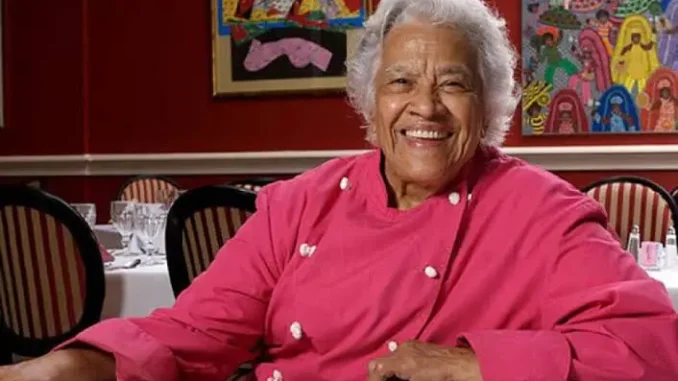
Glenda Bell
The History of New Orleans cannot be fully told without recognizing the profound influence of women who shaped its civic, cultural, and political life. From the Civil Rights Era to Modern Public Service, Black Women have often stood at the center of movements for justice, education, and community empowerment. Their leadership has not always been celebrated in the moment, yet their impact continues to define the character and resilience of the city.
These women did more than hold positions of influence; they transformed institutions, challenged barriers, and created opportunities for generations that followed. In many ways, their stories represent the Moral Backbone of New Orleans’ ongoing pursuit of equality and progress.
Civil Rights Courage and Community Advocacy
Few figures embody the Spirit of Civil Rights Leadership in New Orleans more clearly than Oretha Castle Haley. As a young leader in the Congress of Racial Equality (CORE), Haley helped organize demonstrations and sit-ins that challenged segregation across the city during the 1960s. Her fearless advocacy became a blueprint for community activism and helped lay the foundation for greater political representation for African Americans.
Her story of courage reminds us that leadership often begins with a willingness to challenge injustice—even when the odds seem insurmountable.
Breaking Barriers in Politics and Public Life
The influence of Black Women in New Orleans extends deeply into political leadership as well. Dorothy Mae Taylor made history as the first African American Woman elected to the New Orleans City Council. During her tenure, Taylor fought to open historically exclusive Mardi Gras Krewes to Black members, a bold move that forced the city to confront long-standing traditions of exclusion.
Her work represented more than political achievement—it was a challenge to the social structures that had long defined who could participate in the city’s cultural institutions.
Culture, Cuisine, and Civil Rights Leadership
Leadership in New Orleans has also been expressed through culture, food, and community gathering spaces. Few people embody this connection more than Leah Chase, the Legendary Chef and Owner of Dooky Chase’s Restaurant.
Often called the “Queen of Creole Cuisine,” Chase transformed her restaurant into far more than a place to dine. During the Civil Rights Movement, Dooky Chase’s became a meeting place where activists, community leaders, and organizers gathered to plan strategies for Advancing Racial Justice. Leaders who fought for equality often sat around her tables discussing the next steps in the Struggle for Civil Rights.
Through her cooking and leadership, Chase demonstrated how culture can become a powerful instrument of community building and social change. She preserved the culinary traditions of New Orleans while simultaneously nurturing the City’s Civil rRghts Movement.
Sybil Haydel Morial: A Legacy of Education and Civic Leadership
Another towering figure in the History of New Orleans Leadership is Sybil Haydel Morial. A respected educator, author, and Civic Advocate, Morial dedicated much of her life to advancing education and strengthening community institutions throughout the city.
As the wife of Ernest N. Morial—the First Black Mayor of New Orleans—she played an important role in shaping a generation of Civic Engagement and Public Service. Yet, her contributions stand firmly on their own. Through her work in education and community advocacy, Morial helped nurture young leaders and reinforce the importance of cultural identity, scholarship, and service.
Her influence extended far beyond the classroom. As a mother, mentor, and public figure, she helped cultivate a Legacy of Leadership that continues through her family and through the many students and community members she inspired.
Carrying the Legacy Forward
What these women share is not only accomplishment but vision. They understood that leadership is not simply about occupying a seat of power—it is about creating pathways for others to follow.
Their legacies continue to shape the city today, influencing young women who are stepping forward in politics, education, business, and activism. Each generation builds upon the sacrifices and achievements of those who came before.
In New Orleans, where history lives in every street and neighborhood, the Legacy of Black Women Leaders reminds us that progress has always required courage, persistence, and faith in the possibility of change.
Recommended For You.

Be the first to comment