
Benjamin Bates
Data News Weekly Contributor
The death of 18-year-old Nolan Wells has generated national attention, difficult questions and, most importantly, unimaginable grief for a family still trying to understand how their loved one died.
Wells disappeared during a July 4th outing on Horn Island off the Mississippi Gulf Coast. He had traveled to the island with friends, but he did not return with them. His body was discovered two days later.
Months later, a Jackson County Grand Jury declined to indict anyone in connection with his death. Prosecutors said investigators found no credible evidence that a crime occurred or that Wells’ death was racially motivated. The investigation included dozens of witnesses, phone and GPS information, video evidence and other records.
Those findings must be taken seriously. We cannot substitute speculation for evidence or declare people guilty when investigators and a Grand Jury determined that the available evidence did not support criminal charges.
But there is another truth that deserves equal attention: Nolan Wells’ family still does not have a definitive explanation of how their son died.
Questions Remain
The cause and manner of Wells’ death remain officially undetermined. Neither the Mississippi State Medical Examiner nor an independent forensic pathologist retained by the family was able to conclusively determine how he died.
That distinction matters.
A determination that there is insufficient evidence to charge someone with a crime is not the same as determining exactly what happened to Nolan.
For his family, the question is larger than whether someone will face prosecution. They want to know how an 18-year-old left home for a holiday outing and never returned.
Facts Must Come Before Speculation
The case also illustrates the danger of allowing social media speculation to move faster than verified information.
Serious allegations circulated following Wells’ death, including claims suggesting racial motivation and criminal wrongdoing. Authorities said the evidence presented to the Grand Jury did not substantiate those claims.
That should remind all of us that justice requires facts.
At the same time, transparency from Law Enforcement is essential to maintaining public confidence, particularly when a case involves unexplained circumstances and attracts widespread concern.
A Family Deserves Clarity
Civil Rights Attorney Ben Crump, representing the Wells family, has said the family continues to have questions. Authorities have indicated the investigation could be revisited if credible new evidence emerges.
That possibility should remain open.
We should not manufacture answers where evidence does not provide them. But neither should an undetermined death simply disappear from public attention.
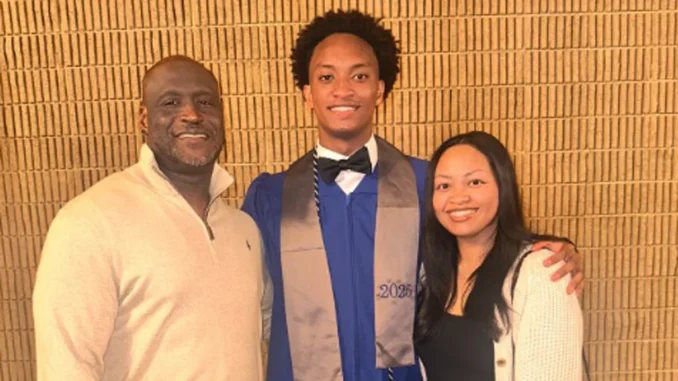
Nolan Wells was more than a headline or a case number. He was an 18-year-old with a family and a future.
His family deserves every answer the evidence can provide—and the public should continue to expect transparency until those answers are found.
Recommended For You.


Be the first to comment