
Edwin Buggage
Editor-in-Chief New Orleans Data News Weekly
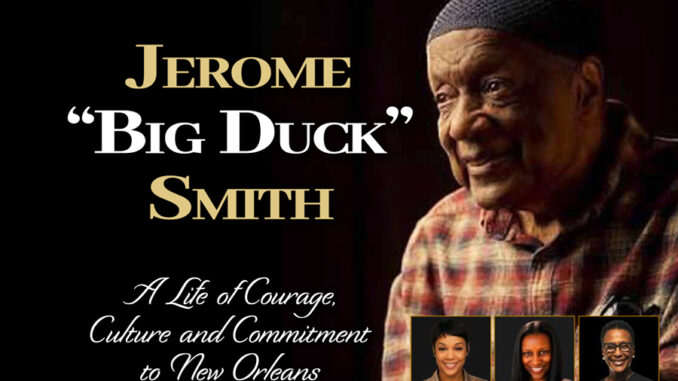
Tributes have poured in from across New Orleans and beyond following the passing of Civil Rights Icon Jerome “Big Duck” Smith at the age of 87. Elected officials, civil rights leaders, community activists, former students, friends and generations of people whose lives he touched have reflected on a man whose influence reached far beyond the historic events that made him a nationally recognized Freedom Fighter.
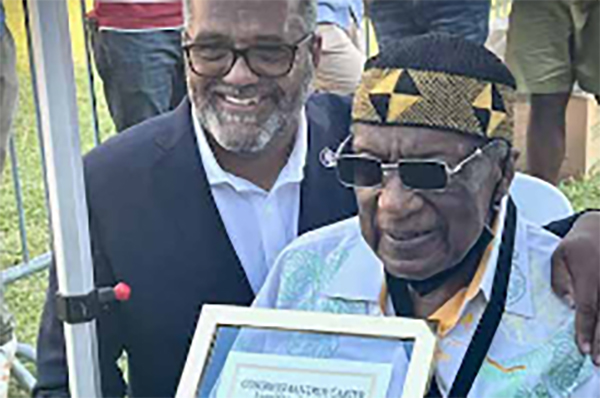 Smith touched countless lives because, even after becoming an important figure in American Civil Rights History, he remained deeply rooted in the community he loved. He never separated his historic work from the everyday needs of New Orleans neighborhoods. He could speak with national leaders and challenge powerful institutions, but he was equally committed to spending time with young people at Hunters Field and the Treme’ Center.
In many ways, Jerome “Big Duck” Smith was our Drum Major for Justice. He marched at the front when courage was required, spoke up when silence would have been easier and continued calling generations forward in the pursuit of equality, dignity and opportunity. Like the steady beat of a drum that keeps people moving together, Smith’s voice reminded New Orleans of where we had been, how far we had come and how much work remained.
For Smith, leadership was never about titles, recognition or proximity to power. It was about being present, serving others and preparing the next generation.
Courage in the Struggle for Freedom
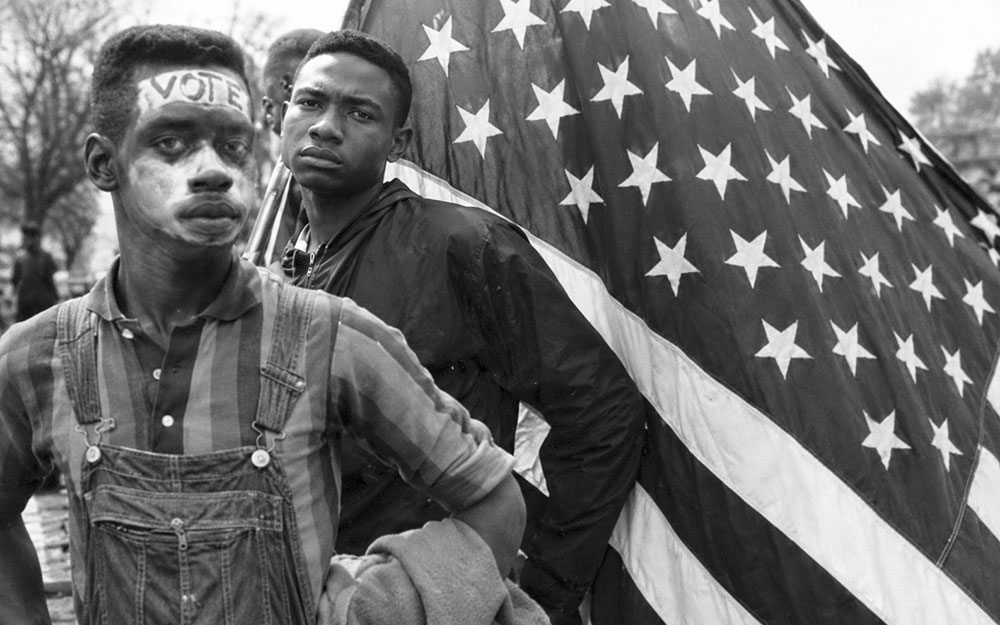
Smith belonged to what is arguably our greatest generation, that understood freedom was not simply an idea—it required courage, sacrifice and action. At only 19 years old, he joined the New Orleans Chapter of the Congress of Racial Equality (CORE), participating in sit-ins and boycotts challenging segregation.
In 1961, Smith became a Freedom Rider, joining Black and White activists traveling across the South to challenge segregation in interstate transportation. They faced arrests, beatings, and the possibility of death. Smith carried memories of that violence throughout his life, but he also carried an unwavering belief in collective action.
Reflecting years later on his courage, Smith rejected the idea that he acted alone.
“In those moments—it’s not—folks think you’re brave,” Smith recalled. “It’s about a collective strength! So, I wasn’t in there with him by myself! I was in there with all of these people!”
Speaking Truth to Power
Smith’s activism placed him in some of the most important conversations of the Civil Rights Movement. In May 1963, he joined Writer James Baldwin and other prominent Civil Rights Figures in a historic meeting with U.S. Attorney General Robert F. Kennedy.
Smith spoke candidly about the contradictions confronting Black Americans—people expected to defend democracy abroad while being denied dignity and equality at home. It reflected a characteristic that defined his life: a willingness to speak truth to power regardless of who occupied the room.
But Smith’s contribution extended far beyond the demonstrations of the 1960s.
Building the Next Generation
In 1968, Smith founded Tambourine and Fan in Tremé, creating a space where young people could learn Black History, New Orleans culture, community responsibility and pride. Hunters Field and the Treme’ Center became places where “Big Duck” could regularly be found teaching and mentoring young people.
His nickname reflected this special relationship. Children often followed him around like ducklings following a larger duck.
Smith’s daughter, Farin Smith, captured the lasting nature of that influence: “He helped a lot, a lot of people.… They don’t forget.”
Fred Johnson, President and Founder of Black Men of Labor, spoke about the importance of recognizing Smith while he was still alive. During the July celebration honoring Smith, Johnson said:
“You give someone their flowers and their glory, your love and appreciation for them. You don’t wait until they’re gone. You do that while they are alive.”
Johnson’s words underscored something essential about Big Duck: he was not simply a historic figure. He remained present, accessible and engaged. He stayed connected to the people, traditions and neighborhoods that shaped him.
A Profound Loss for New Orleans and the Nation
The depth of Smith’s impact could be heard in the words of those who knew him personally as well as those who understood his place in American history. New Orleans District Attorney Jason Williams expressed the profound sense of loss felt throughout the city.
Recommended For You.

Be the first to comment