
Eric Connerly
Data News Contributor
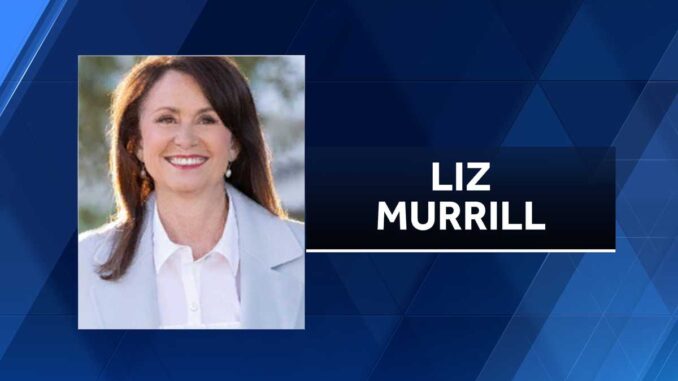
A dramatic intervention by the Louisiana Supreme Court has temporarily halted the Criminal Prosecution of Attorney General Liz Murrill, but the legal battle has become about far more than a 16-count indictment. The dispute now stands as the latest chapter in an escalating power struggle between Louisiana’s Republican-led state government and New Orleans leaders over who has the authority to interpret and enforce state law.
Late Friday, the Louisiana Supreme Court stayed both Murrill’s Indictment and the Arrest Warrant issued against her, preventing prosecutors from moving forward while the state’s highest court reviews her legal challenge. The court wrote that the attorney general had presented a “compelling argument concerning the disturbing defects in the grand jury proceedings and in the trial court’s handling of those proceedings.”
The ruling immediately halted efforts to arrest the state’s top law enforcement officer and underscored the Supreme Court’s concerns about how the case was handled.
The Orleans Parish Sheriff’s Office confirmed it complied with the court’s order by removing Murrill’s arrest warrants from state and federal law enforcement databases.
For Murrill, the ruling represented more than a procedural victory.
“I’m grateful to the Louisiana Supreme Court for swiftly issuing a stay in this matter,” Murrill said in a statement. “I will continue to carry out those duties to the best of my ability.”
She pledged to seek dismissal of the charges and characterized the prosecution as a politically motivated effort to undermine her office.
“This political witch hunt is not a harbinger of things to come, but I fear that it is,” Murrill said. She accused the special prosecutor, judge, and grand jury of using Louisiana’s Criminal Statutes as “a Political Weapon.”
Clash Over Control of Orleans Parish Government
At the heart of the dispute is a disagreement over who controls the implementation of state law in Orleans Parish.
The conflict began after the Louisiana Legislature approved legislation merging the parish’s Criminal and Civil Clerk of Court Offices. Murrill argued the law eliminated the former criminal clerk’s office and transferred its duties to the existing civil clerk’s office, making Chelsey Richard Napoleon the lawful Orleans Parish Clerk of Court.
However, New Orleans officials, led by Mayor Helena Moreno, the City Council, and District Attorney Jason Williams, moved forward with appointing Judge Calvin Johnson as Interim clerk and calling for a special election. Murrill warned those actions were contrary to state law and could trigger Louisiana’s usurper statutes, which provide legal consequences for individuals who unlawfully occupy public office.
Moreno rejected Murrill’s warning, calling the attorney general’s letter a threat and insisting that the matter should be resolved by the courts rather than through what she described as intimidation.
“I will not be intimidated or threatened by the State Atorney General,” Moreno said in a public statement after receiving the letter. “I won’t back down.”
Criminal Charges Follow Legal Warnings
Those letters ultimately became the basis for a Grand Jury Investigation led by Special Prosecutor Laurie White. Prosecutors alleged Murrill improperly attempted to pressure elected officials by warning they could lose their offices if they proceeded with the appointment.
The grand jury indicted Murrill on 16 felony counts, including eight counts of public intimidation and eight counts of malfeasance in office.
Murrill has consistently denied wrongdoing, arguing that her letters were legal opinions explaining state law—not criminal threats—and that advising public officials on the law falls squarely within the constitutional responsibilities of the attorney general’s office.
She has also challenged the integrity of the grand jury proceedings, alleging confidential information was improperly leaked and accusing the court of procedural violations.
A Broader Political Battle
The case reflects months of mounting tensions between Louisiana’s state government and New Orleans officials over criminal justice, governance, and state oversight of local decisions.
Governor Jeff Landry quickly came to Murrill’s Defense after the indictment, criticizing the Orleans Parish Judicial System and pledging to pardon the attorney general “as fast as the law allows” if necessary. He also ordered Louisiana State Police to investigate allegations of misconduct surrounding the grand jury proceedings.
Although the Louisiana Supreme Court’s ruling temporarily pauses the prosecution, the broader conflict between Baton Rouge and New Orleans continues. Murrill has vowed to seek dismissal of the charges, while local officials maintain they acted within their authority.
As the legal battle moves forward, the case has become a high-profile test of where state authority ends and local government autonomy begins—an issue likely to have lasting implications for Louisiana politics and governance.
Recommended For You.

Be the first to comment